
The Metabolic Role in Frozen Shoulder: Why It’s Often Not Just a Shoulder Problem
One of the most seen shoulder conditions in orthopedic care is adhesive capsulitis, commonly known as frozen shoulder. Traditionally, it’s been viewed as a local shoulder issue related to stiffness, inflammation, or minor injury. However, emerging research suggests something deeper may be involved: your metabolic health.
What Is Frozen Shoulder?
Frozen shoulders are characterized by progressive pain and loss of shoulder motion over time. Unlike a typical muscle or tendon injury, frozen shoulder involves changes to the joint capsule itself, which is why both active AND passive motion are limited. Common symptoms include (1), deep, aching shoulder pain, (2) loss of motion, (3) pain with reaching, overhead, and/or behind-the back movements, and (4) difficulty sleeping.
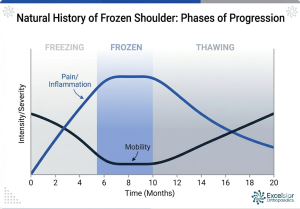
The condition progresses through three distinct phases:
1. Freezing Phase: Gradual onset of pain and stiffness
2. Frozen Phase: Pain and stiffness both peak; daily tasks become difficult
3. Thawing Phase: Pain lessens; mobility and function gradually return
Traditionally… Frozen shoulder is often associated with minor injury or overuse, rotator cuff issues, or periods of immobilization. While these contributors are certainly relevant, they don’t fully explain why the condition frequently appears in certain populations – those with diabetes, thyroid disorders, or other metabolic conditions – sometimes without a clear mechanism of injury.
The Metabolic Link: What’s Happening Behind the Scenes?
Research suggests several systemic contributors:
1. High Blood Glucose and AGEs (Advanced Glycation End-Products)
When blood sugar levels stay elevated, glucose can bind to proteins and create compounds known as AGEs, which can thicken tissue around the shoulder and make it less flexible.
2. Insulin Resistance
When the body can’t utilize insulin well, it can increase inflammation and slow down tissue healing.
The body releases too many inflammatory proteins, leading to prolonged stiffness and tightness.
Why This Matters for Recovery…
Restoring mobility and improving strength remain essential, but they may not be the whole picture. Addressing broader health factors that impact blood sugar regulation and inflammation levels may help promote a smoother recovery.
What Can You Do?
Here are a few simple, high-impact areas to consider:
1. Manage Blood Sugar: Monitor sugar intake and work with a provider if you have prediabetes or diabetes
2. Improve Nutrition: Prioritize protein and fiber; limit highly processed foods
3. Stay Active: Regular aerobic exercise (walking, biking) improves insulin sensitivity
4. Prioritize Sleep: Poor sleep is linked to metabolic dysfunction; aim for consistent, quality rest
5. Reduce Stress: Elevated cortisol levels may worsen pain and inflammation; Simple strategies – deep breathing, mindfulness, exercise – can help
Key Takeaways:
1. Frozen shoulder involves progressive pain and motion loss that can take 12-24 months to resolve.
2. Your metabolic health likely plays a large role in its progression and your recovery process.
3. Diet, exercise, sleep, and stress management are important adjuncts to rehab.
Need more guidance navigating shoulder pain and stiffness? Learn more about physical therapy at Excelsior Orthopaedics here, and call (716) 250-6500.

Article authored by Jaden Gillette, PT, DPT
